There's a particular sound a good book makes when it opens. A soft give in the spine, the whisper of one thick page lifting away from the next. You don't get that from a screen.
I think about this more than I probably should.
So much of what I make now lives behind glass. You'll get your gallery — a link, a password, hundreds of images to scroll through on the train home or send to your mother at midnight. That matters, and I love that part. But a link is a place you visit. A book is a thing you keep.
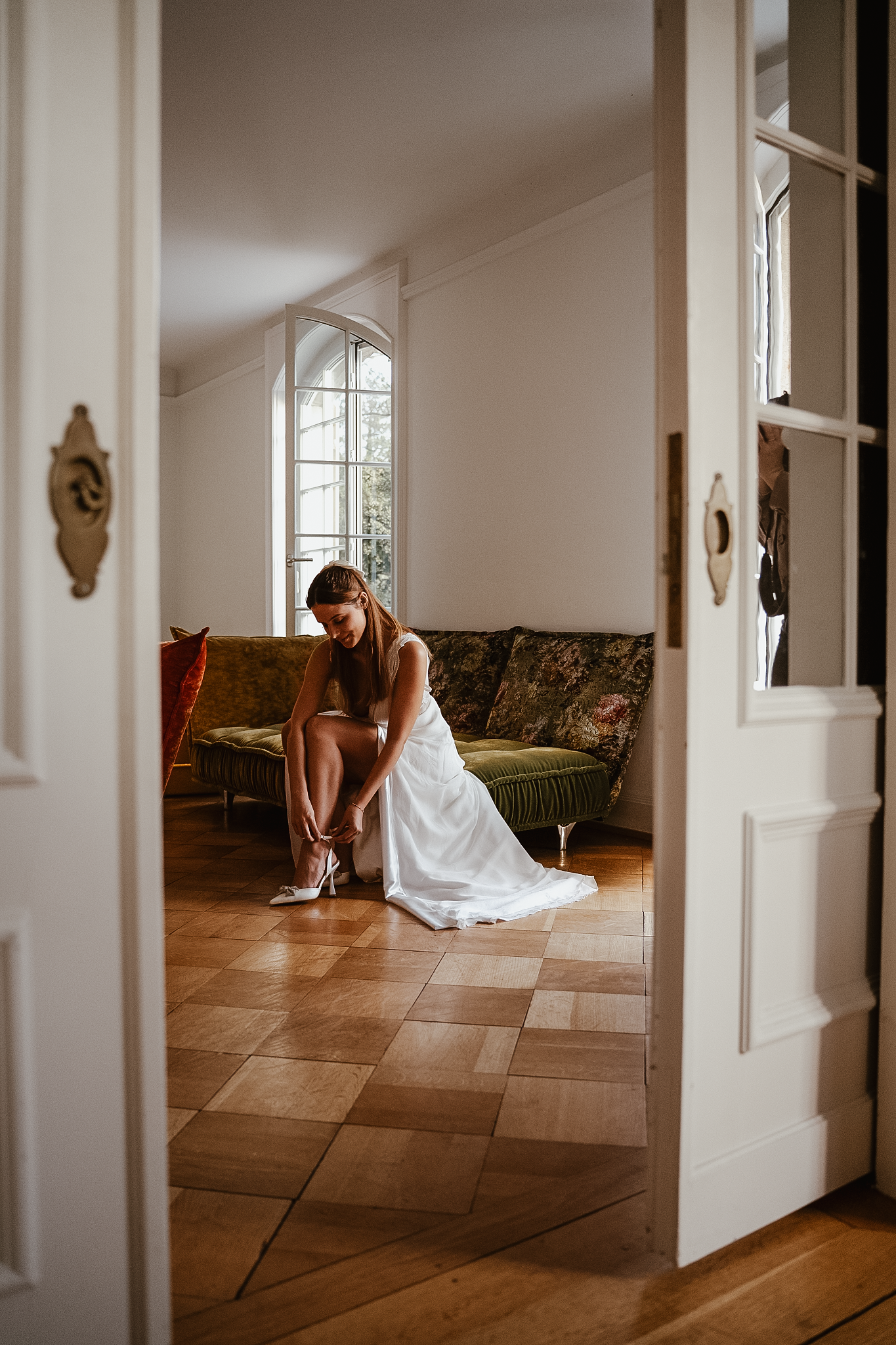
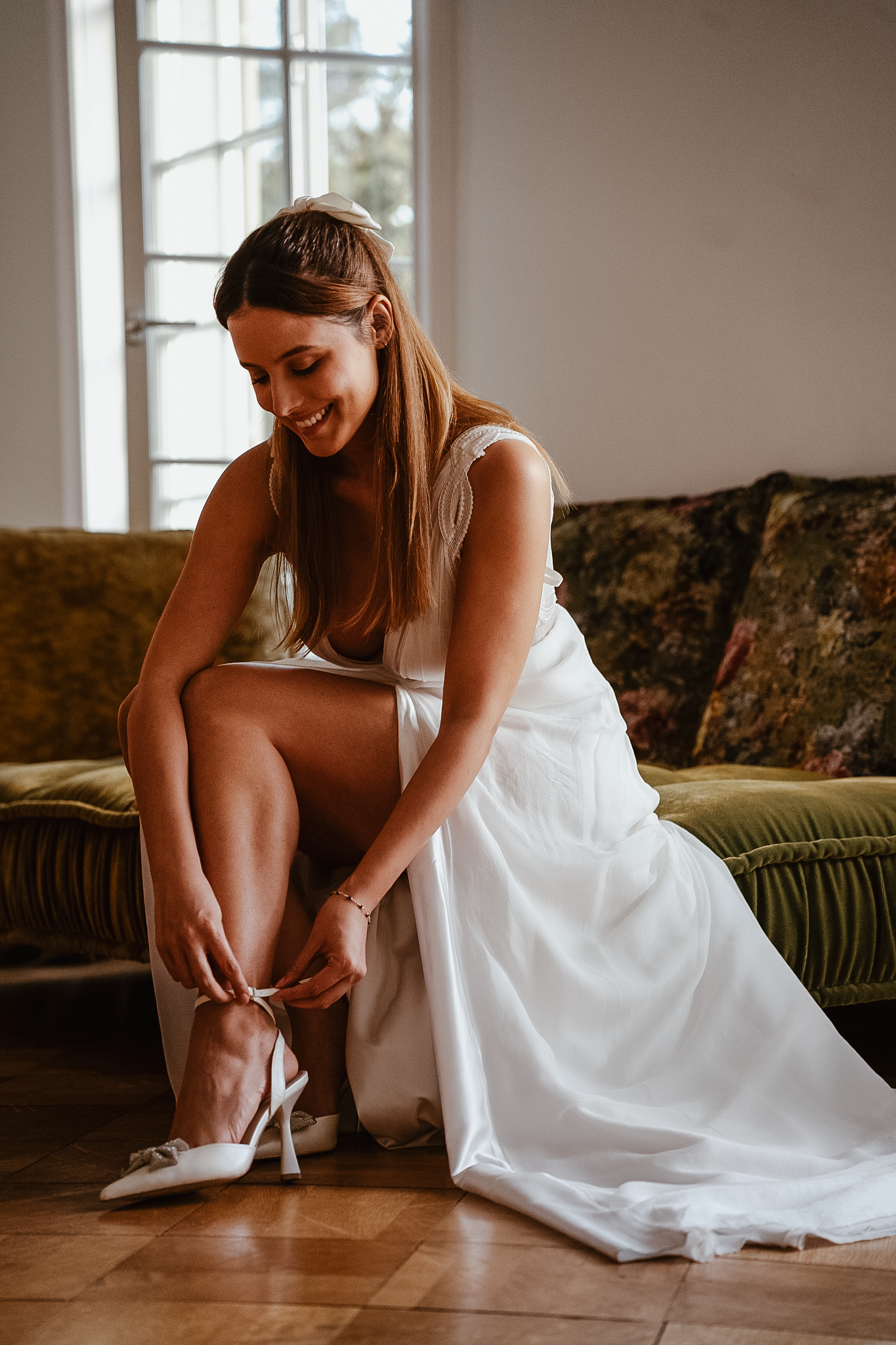
When I photograph a morning like Valerie's — her on the edge of a green velvet sofa, bending to fasten the strap of one silver heel, the light coming sideways across the tiles — I'm already thinking about where that frame will live in twenty years. Not on a feed that refreshes every few seconds. On a shelf. In a pair of hands.
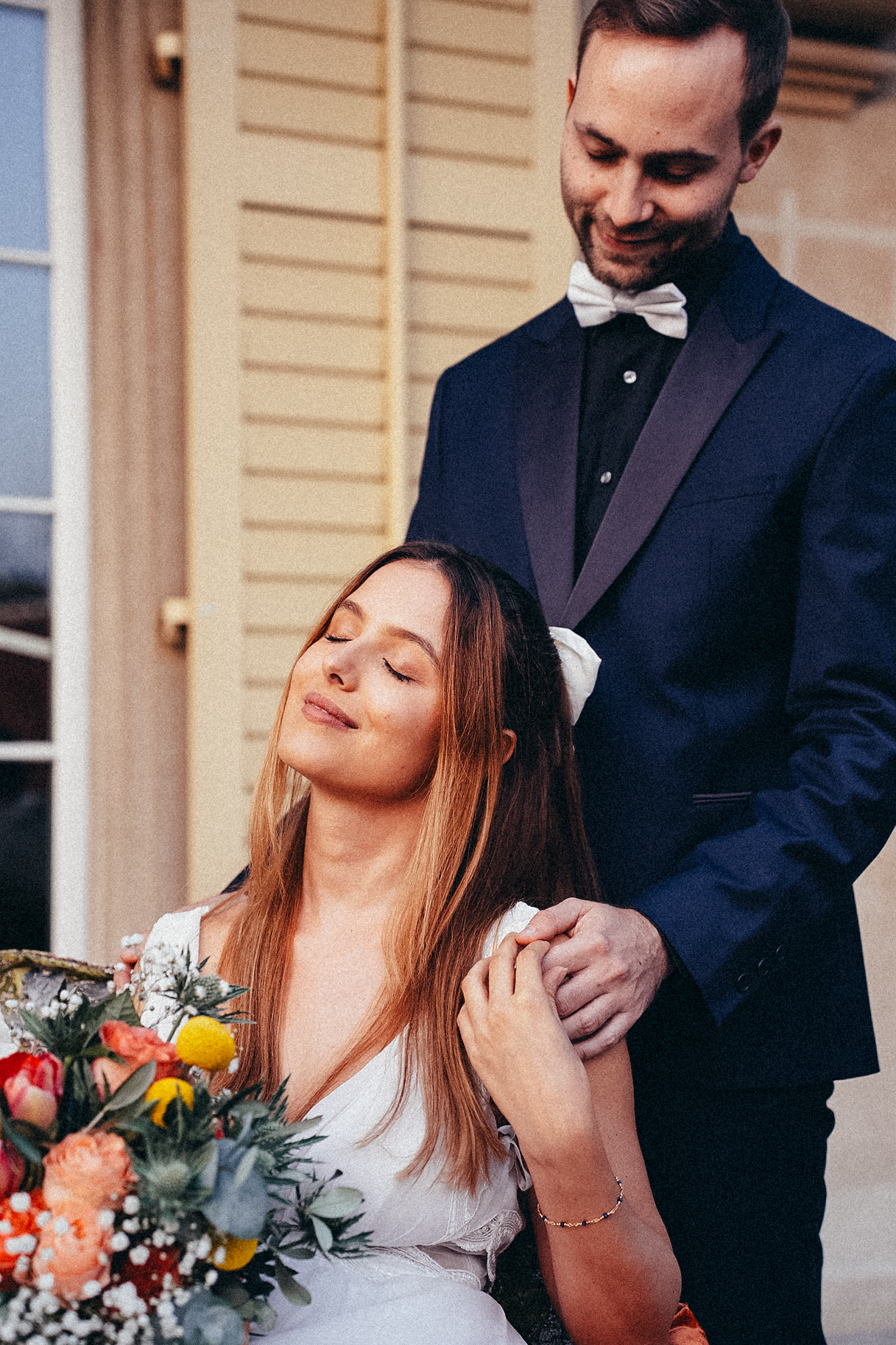
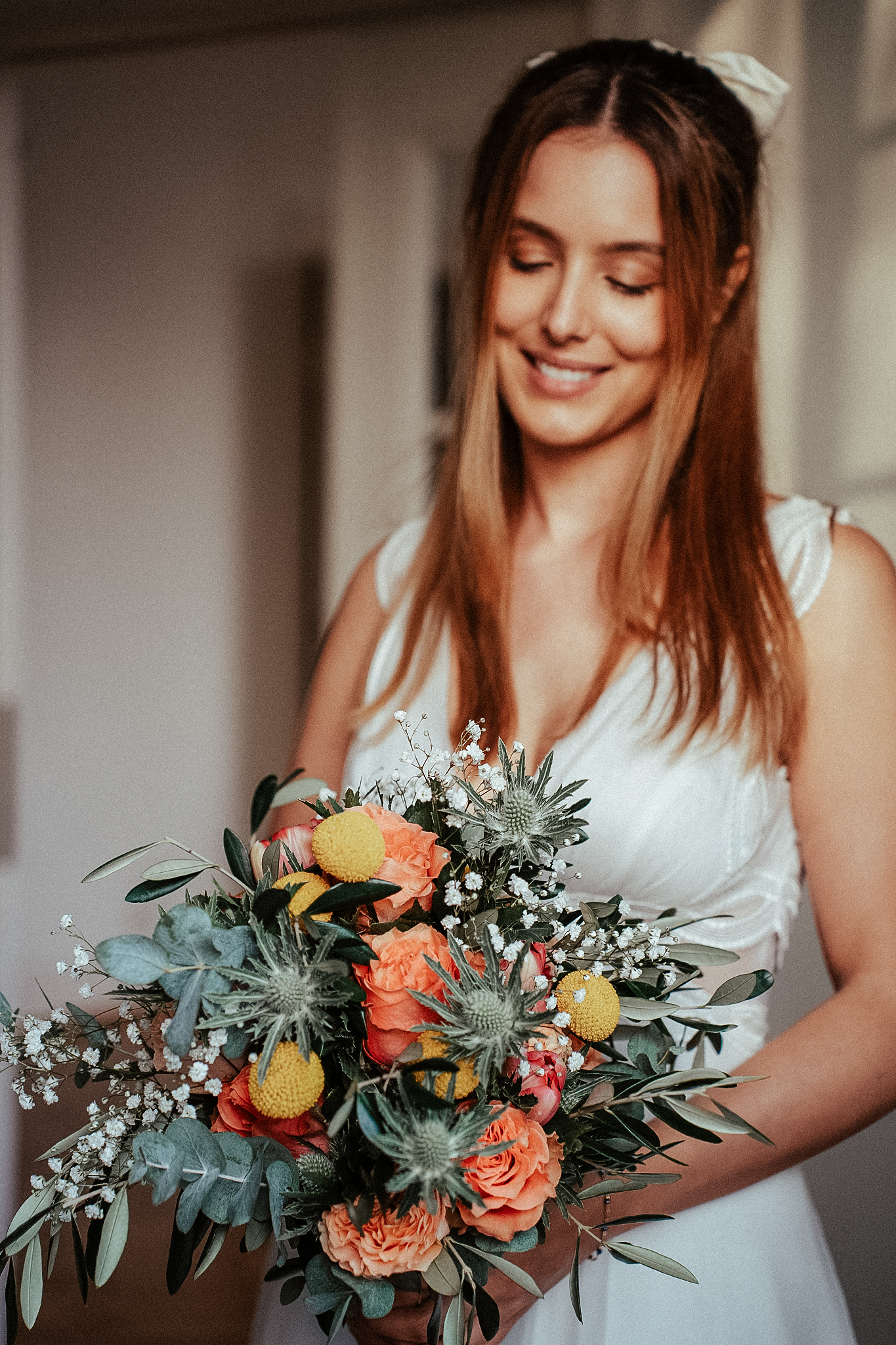
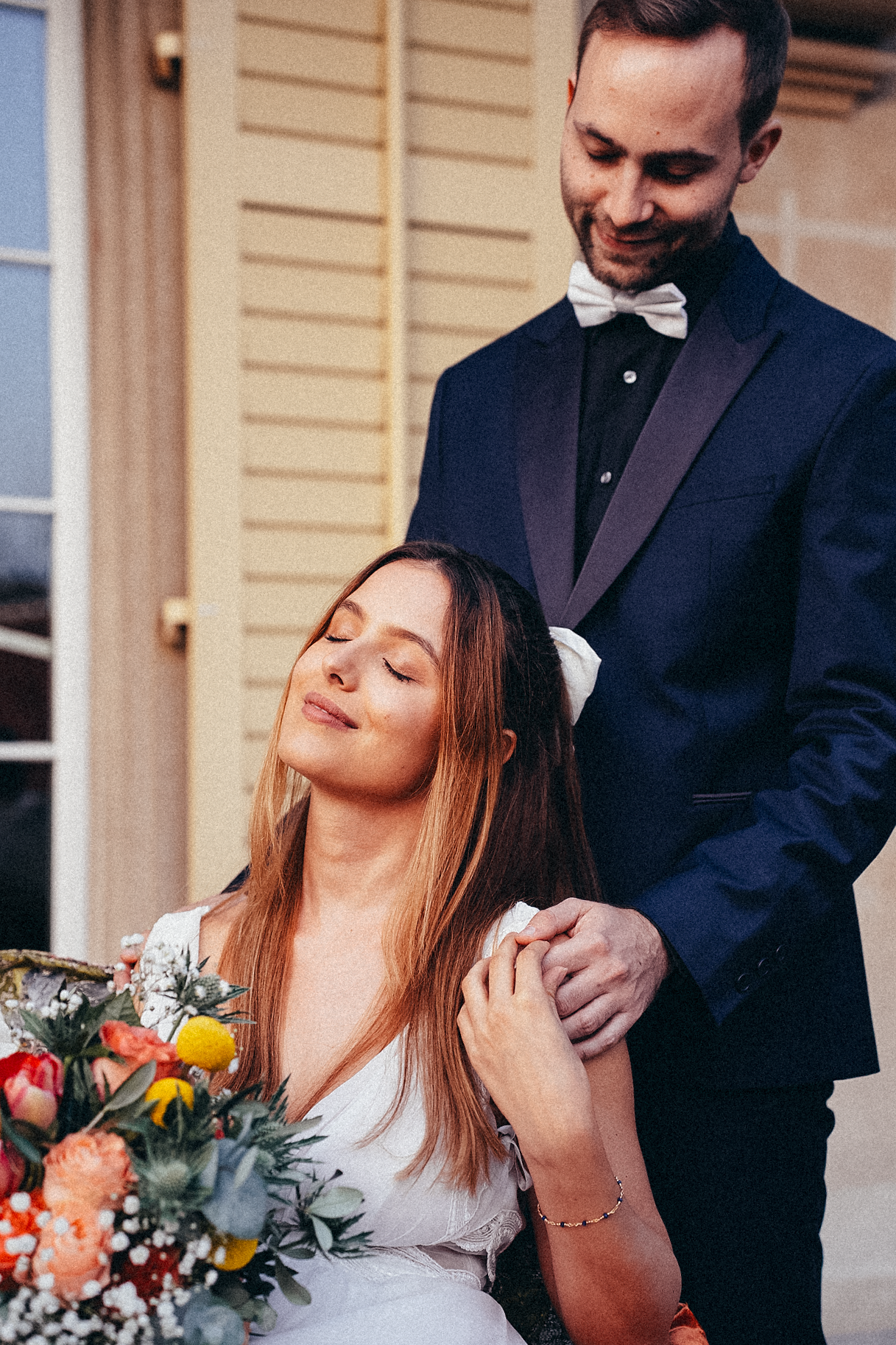
A printed album asks something of you that a phone never will. It asks you to slow down, to turn one page and sit with it before the next. No autoplay. Nothing else waiting to be tapped. Just her, head bowed over a bouquet of ranunculus and eucalyptus, the orange catching the last of the window light, and then — quietly, a few pages on — the two of them, her shoulder against his chest, her eyes closed, his hand resting near hers.
That sequence is deliberate. An album is not a pile of your best photographs. It's an order, a rhythm, a way of telling the day back to you so it lands the way it did the first time. The held breath. The middle. The leaning-in.
Here is the part people don't expect: the book outlives the technology. Phones change. File formats quietly stop opening. The cloud account lapses when no one remembers the password. But a well-made album, printed on cotton paper and bound by hand, will still open the same way for your daughter, and for hers. It doesn't need charging. It doesn't need a signal. It needs a hand to reach for it.
I once watched a grandmother turn the pages of her own wedding book, fifty years on, naming people in the margins of her memory. None of those photographs were sharp by today's standards. It didn't matter even slightly. What she held wasn't a set of images — it was a season of her life she could touch.
That's what I want for you. Not a folder. Not a backup. Something with weight, that lands on a low table with a small sound, that a child pulls down from a shelf one rainy afternoon and asks, is that you?
The gallery is for now — the sharing, the reliving in the week after. The book is for the version of you that hasn't happened yet, and the people who'll one day want to know how you began.
If that's the kind of thing you've been quietly hoping someone would make for you, let's talk. No pitch, no pressure — just a free discovery call, and the first question I always ask: how did the two of you meet?